XD2
Discontinued
The High-Capacity Core
Mixing and routing made modular
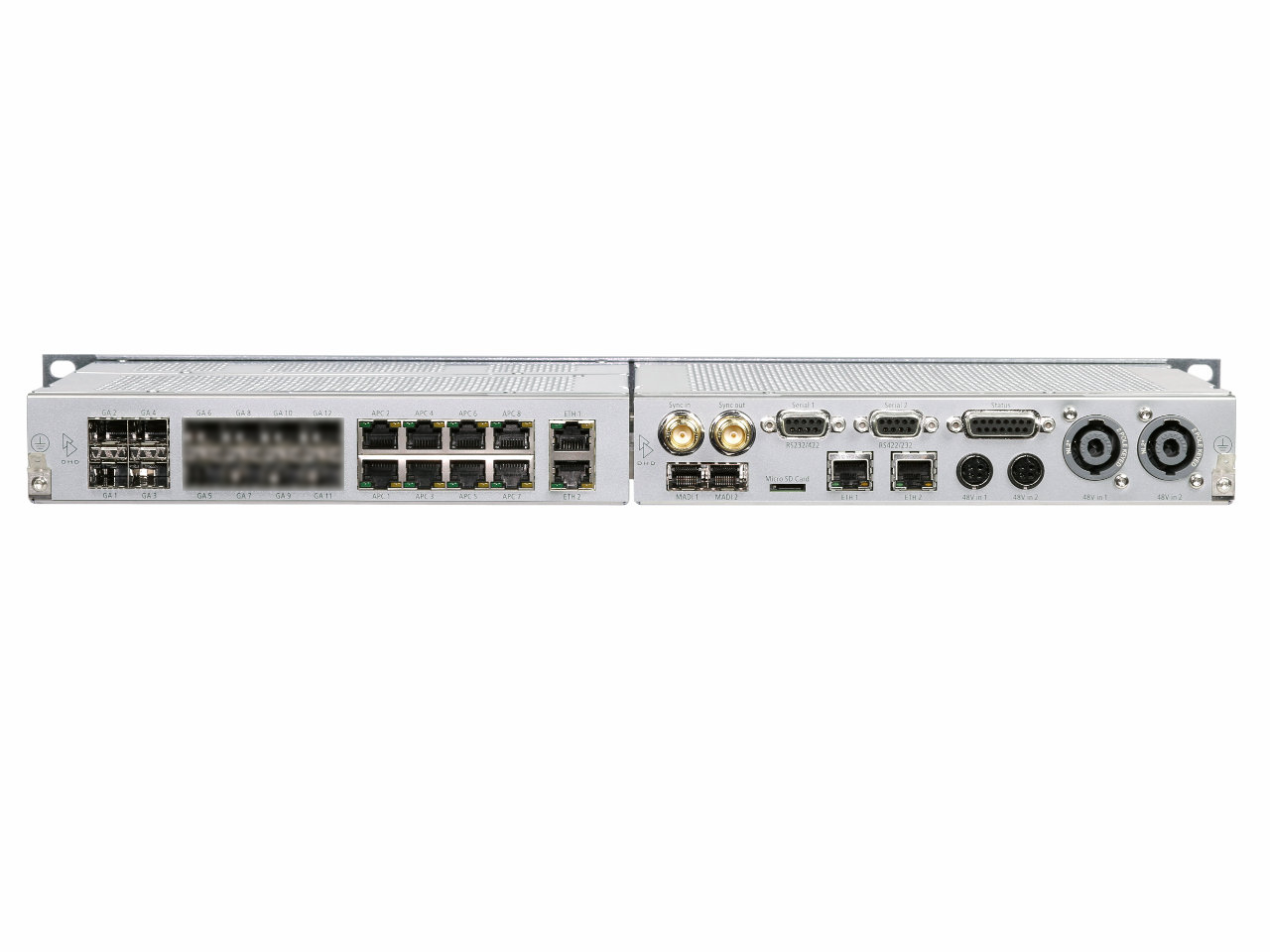
The XD2 Core is the ideal audio routing matrix for modern broadcast environments. It features full configurability and modularity to tailor a system that fully supports your workflow.
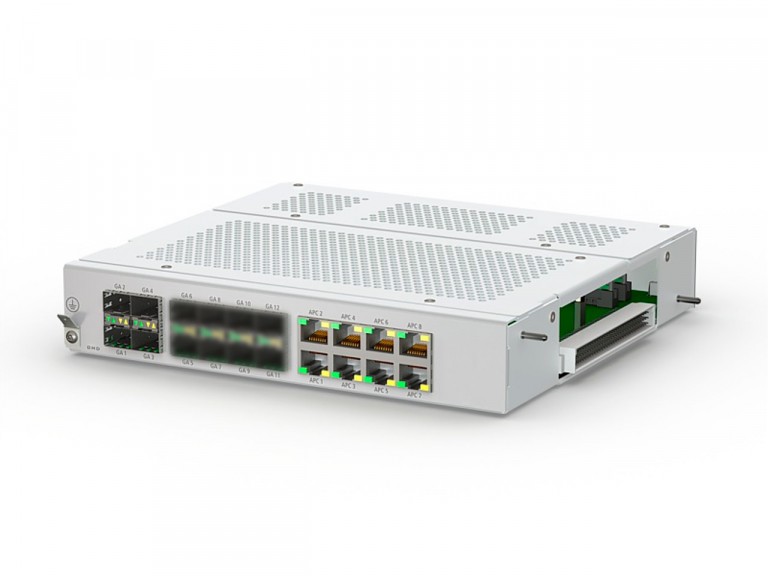
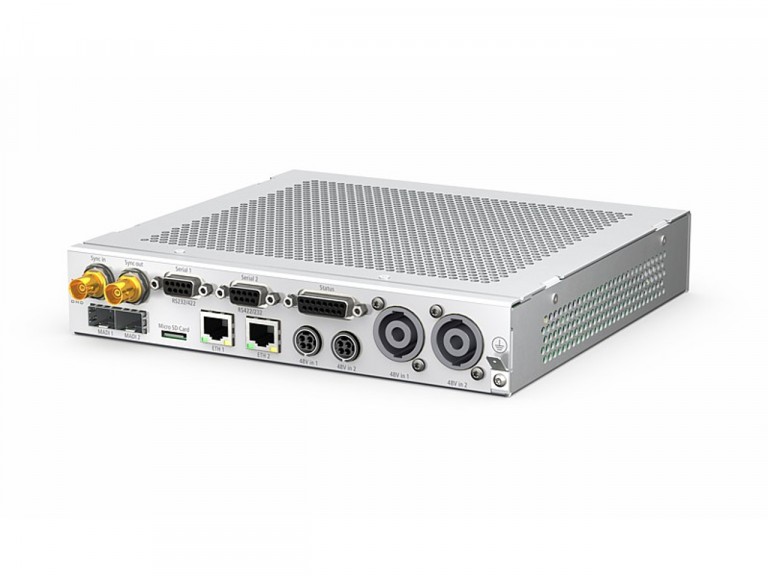
Numerous connectivity options for Dante™, AES67/RAVENNA, MADI, AES3/EBU, Gigabit Audio, APC or analogue signals are available.
24 Faders (Stereo)
52-744X + 52-7456 1x DSP Card 52-7460
- 48 summing busses (PGM, AUX, N-1, PFL)
- 30 mix-minus busses
- 170 seconds delay*
- 5 loudness meters*
48 Faders (Stereo)
52-744X + 52-7456 2x DSP Card 52-7460
- 48 summing busses (PGM, AUX, N-1, PFL)
- 30 mix-minus busses
- 340 seconds delay*
- 10 loudness meters *
64 Faders (Stereo)
52-744X + 52-7456 4x DSP Card 52-7460
- 48 summing busses (PGM, AUX, N-1, PFL)
- 30 mix-minus busses
- 680 seconds delay*
- 20 loudness meters
* With additional licence 52-8581 Enhanced DSP Processing.
All values are maximum values, availability depends on number and type of used features.
Modular power
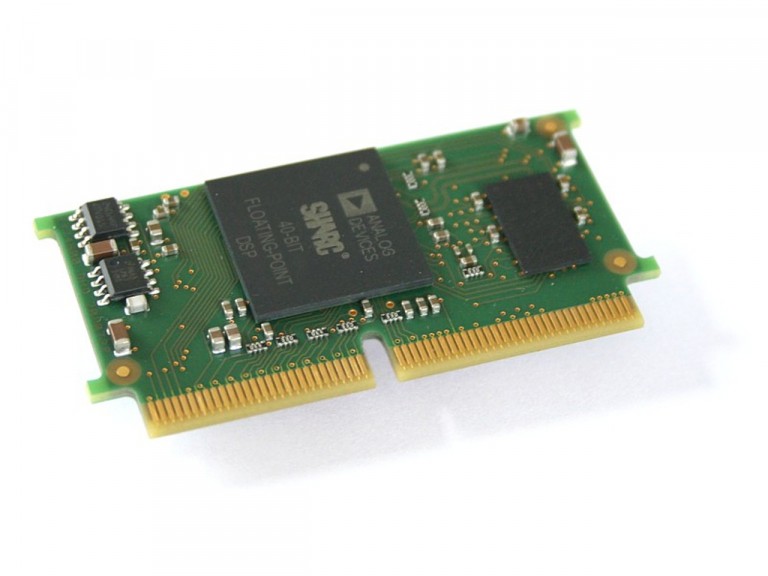
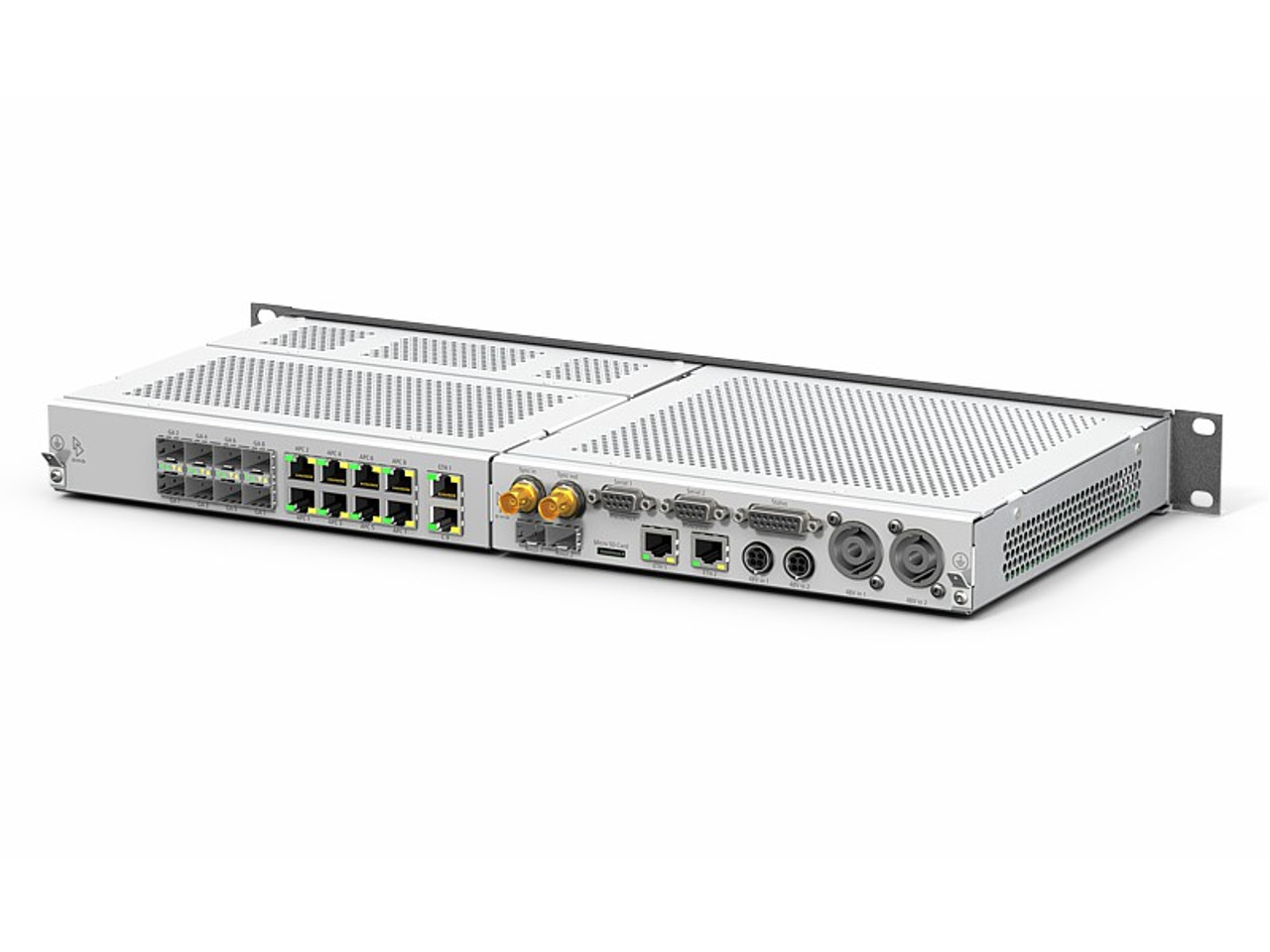
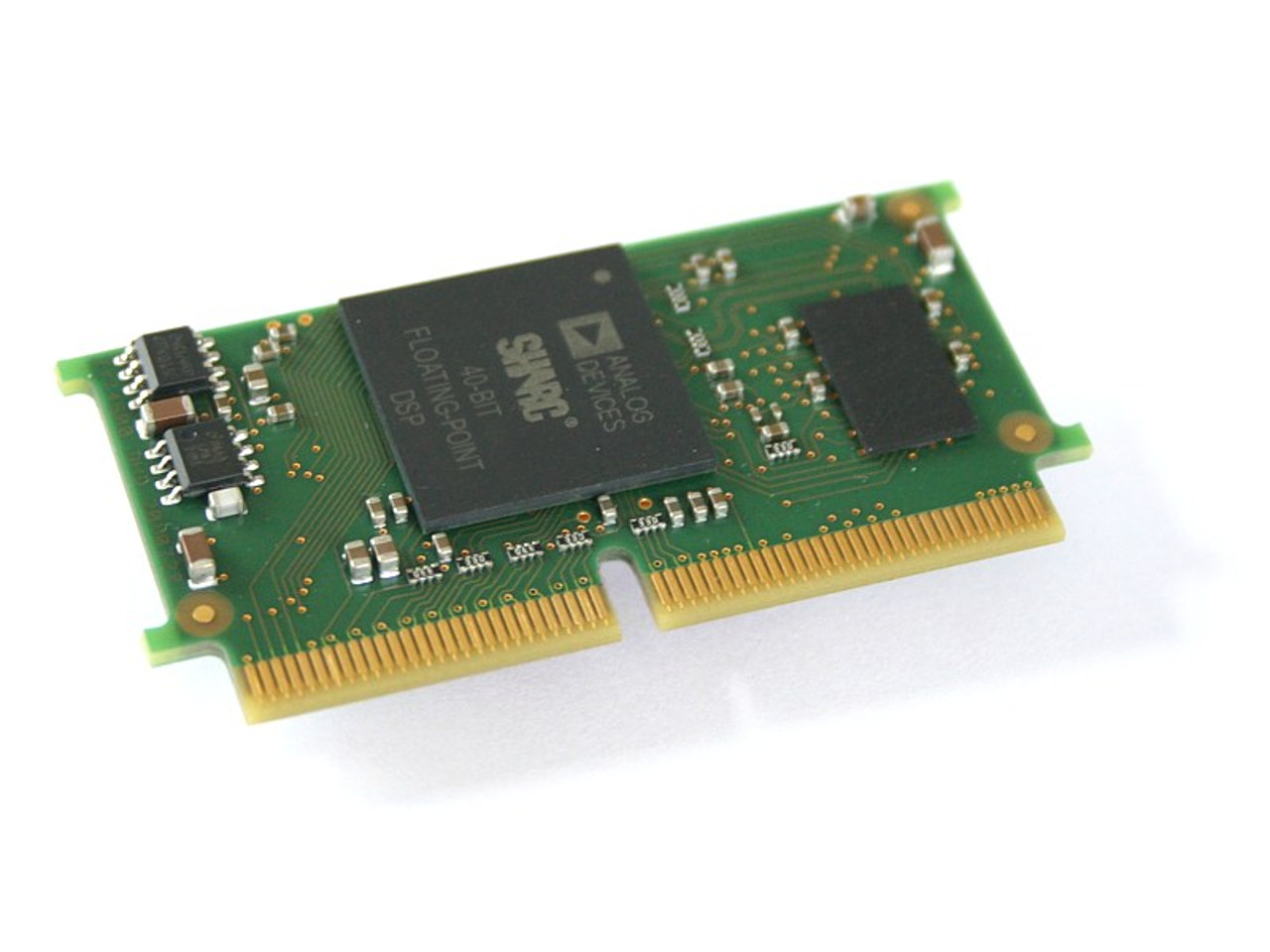
You can equip your XD2 DSP Core with up to four 52-7460 DSP modules to achive maximum processing power.
Each of these DSP modules provide 40-bit floating-point processing for fader channels, channel processing, fixed processing and summing operations. Also additional memory for channel delay and program delay are also added with each DSP module.
Redundancy options
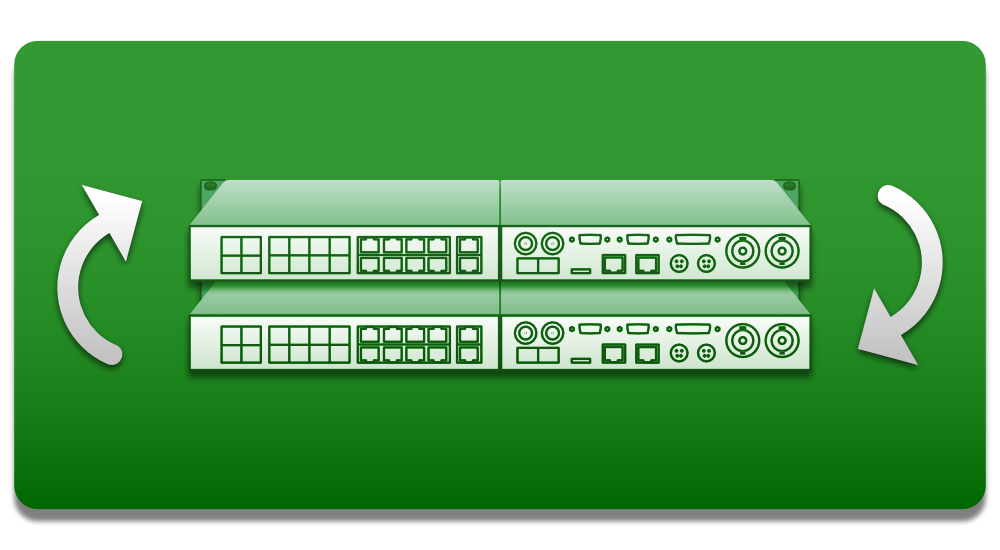
In redundancy mode two identical XD2 Cores work in sync. While the main DSP core controls the broadcast system, the standby DSP core is always ready to take over if necessary.
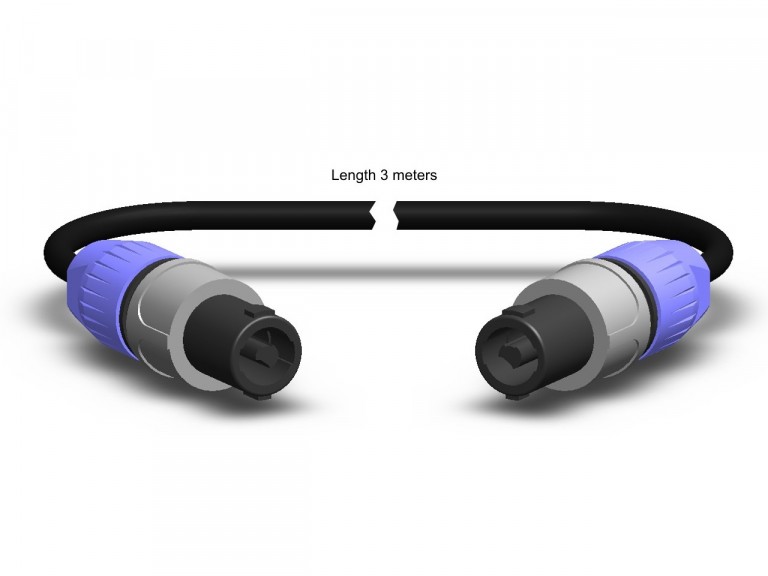
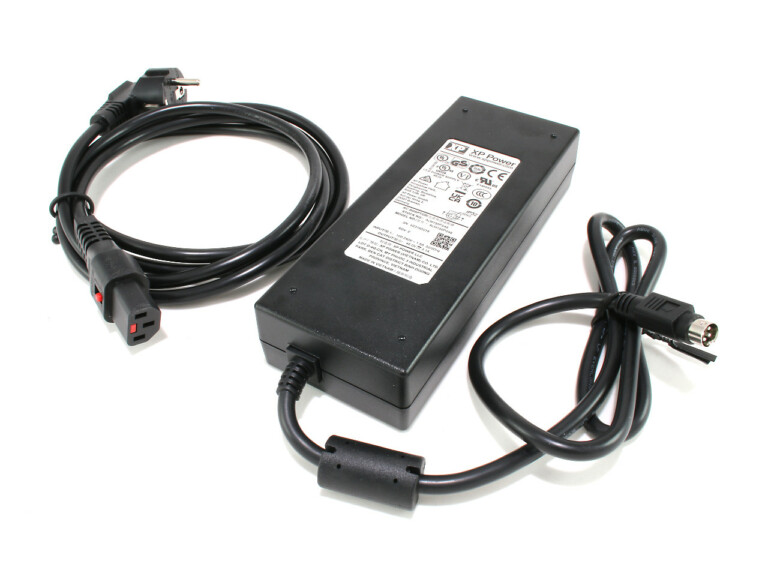
Beside this DSP and controller redundancy, redundant power supply inputs are built in to provide seamless switching between power sources.
Stay in control
Advanced logic computing for control signals enables you to use the XD2 Core as a real control center for your studio. Transmitting fader starts and red light signals or managing centralised resources like codecs are just a few examples.
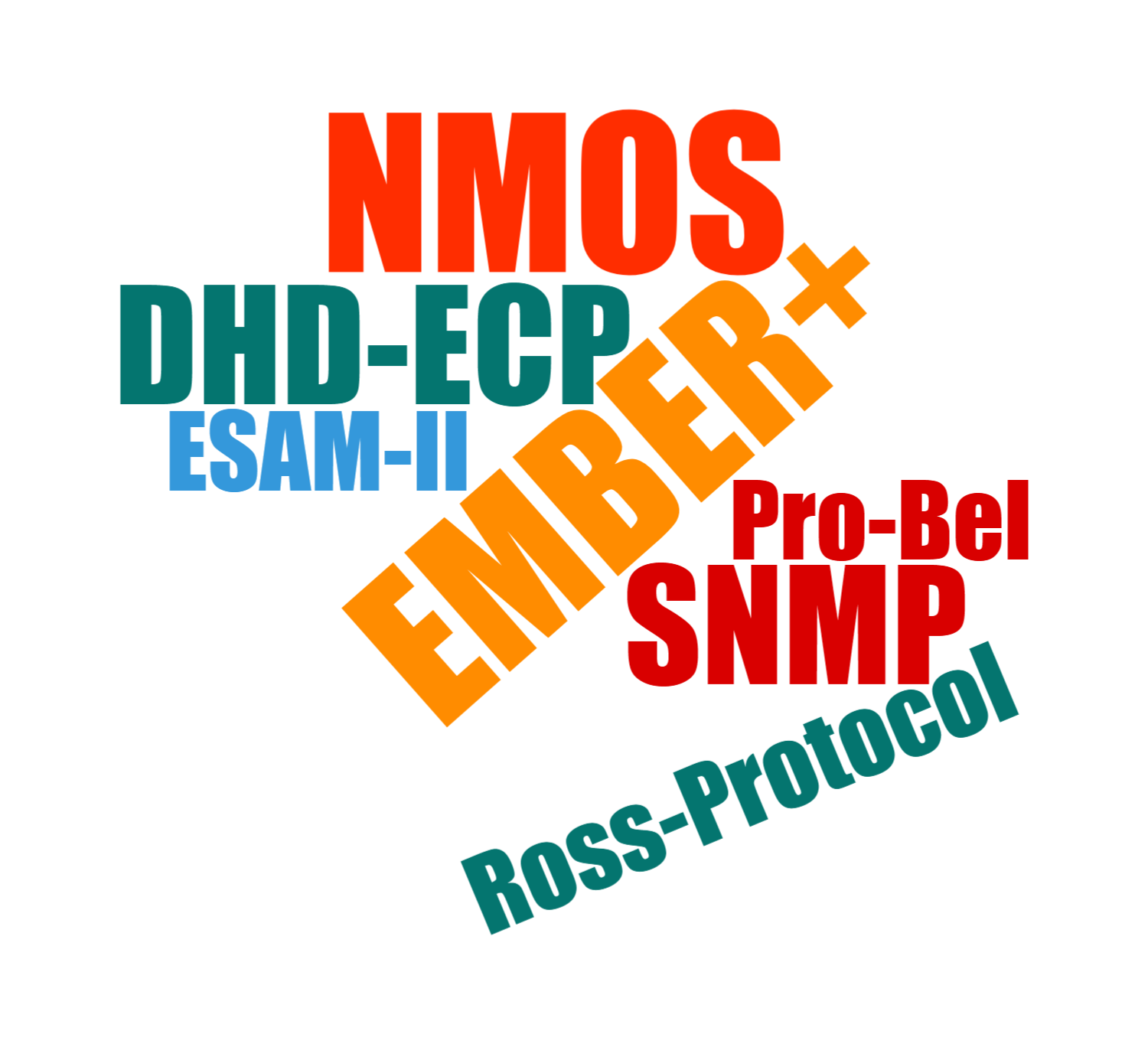
Third-party systems, too, can interface with DHD products via Ethernet by using Ember+ or the open DHD External Control Protocol. Or just use GPIOs or a serial connection.
Let’s talk about your project
Whether you are planning a new studio, upgrading existing facilities or moving to IP and virtual workflows, our team and partners are ready to support you.